
 Guides
3 min read
How to Create an Engaging Video Course: From A to Z
A great video course takes more than pressing record. Learn how to plan, film, edit and publish a video course that captivates your students and keeps them going to the end.
Teaching online lets you pass on what you know to learners well beyond your own city. This topic is for instructors at every stage: experts preparing a first course, trainers moving their classes online and teachers who want to improve existing lessons. You will find advice on planning, recording, pricing and supporting students.
GuidesA great video course takes more than pressing record. Learn how to plan, film, edit and publish a video course that captivates your students and keeps them going to the end.
 Career
You master a subject and enjoy passing it on? As an online instructor, you can share your expertise and earn income from it. Here are the key steps, from the course idea to your first sales.
Expertise alone does not make a good course. Learners need a clear path: what they will be able to do, in which order and how they will practise. Instructors who start from that outcome and work backwards build programmes that feel easier to follow.
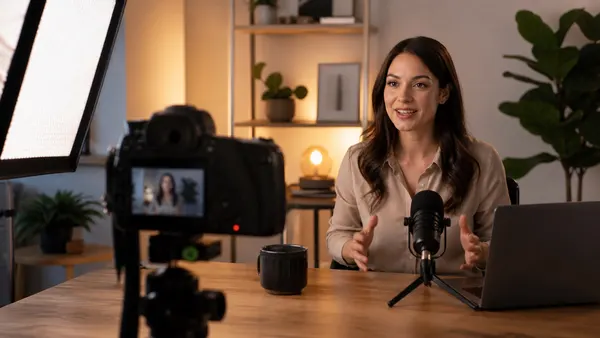
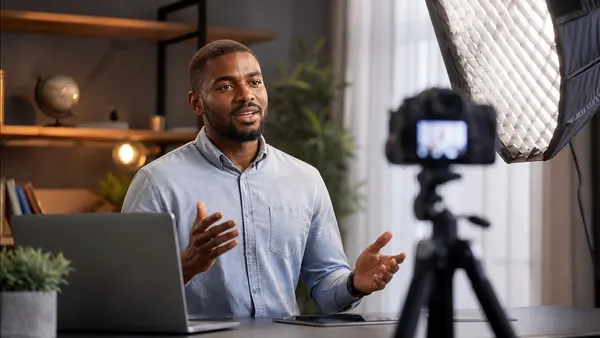
On camera, simplicity wins. A clear voice, a tidy screen and short lessons matter more than expensive equipment. Show your face when it helps, and let the screen do the talking when you demonstrate a tool.
A simple sequence keeps the work under control:
Trying to cover everything in one course is a frequent mistake. It leads to long, unfocused programmes. Choose one clear outcome and keep the rest for a later course. Another mistake is recording the whole course before testing a single lesson: a short test reveals sound, lighting or pacing problems early.
Finally, do not disappear after launch. Answering questions and refreshing outdated lessons shows students that someone cares about their progress.
Many instructors hesitate over price. Look at comparable courses, think about the depth of your content and the result it offers, then choose a price you can explain. On Mudey, you set that price yourself.
Coupons help you launch a course or thank your first students. Share the course with your own network as well: a short message that explains who it is for usually lands better than a generic announcement. Instructors who stay in touch with their audience also get better feedback for the next version.
On Mudey, you can become an instructor for free and without commitment. You then build your course in a studio with sections, lessons, videos, downloadable resources and quizzes. Mudey hosts and streams your videos, and your students receive a certificate automatically when they finish. Once published, your course joins the catalogue in French, English and Dutch.
The 7-step course editor guide walks you through the studio. To follow your students, create coupons and read your analytics, see the help pages on managing students. For more ideas on structuring lessons, explore the pedagogy topic and the video topic.